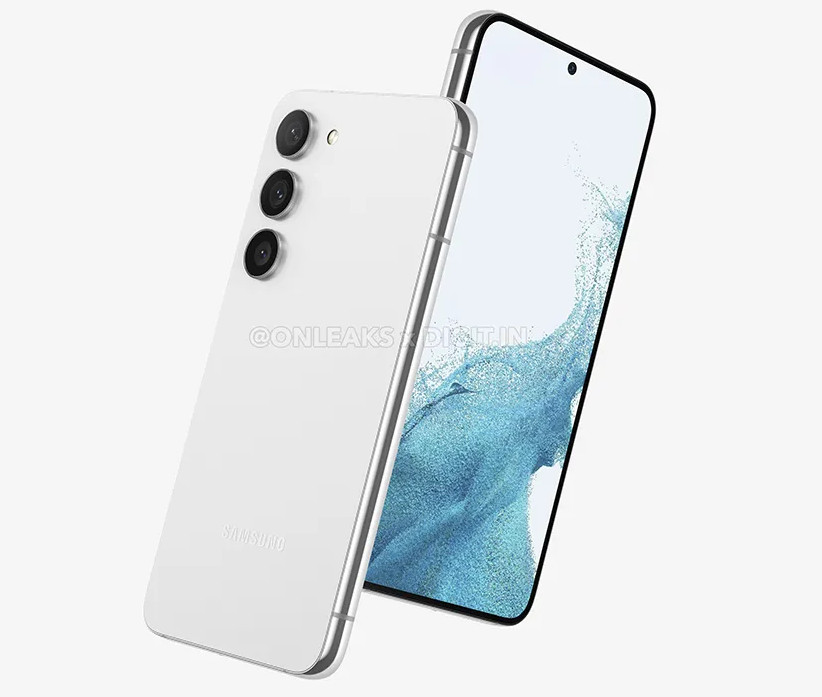
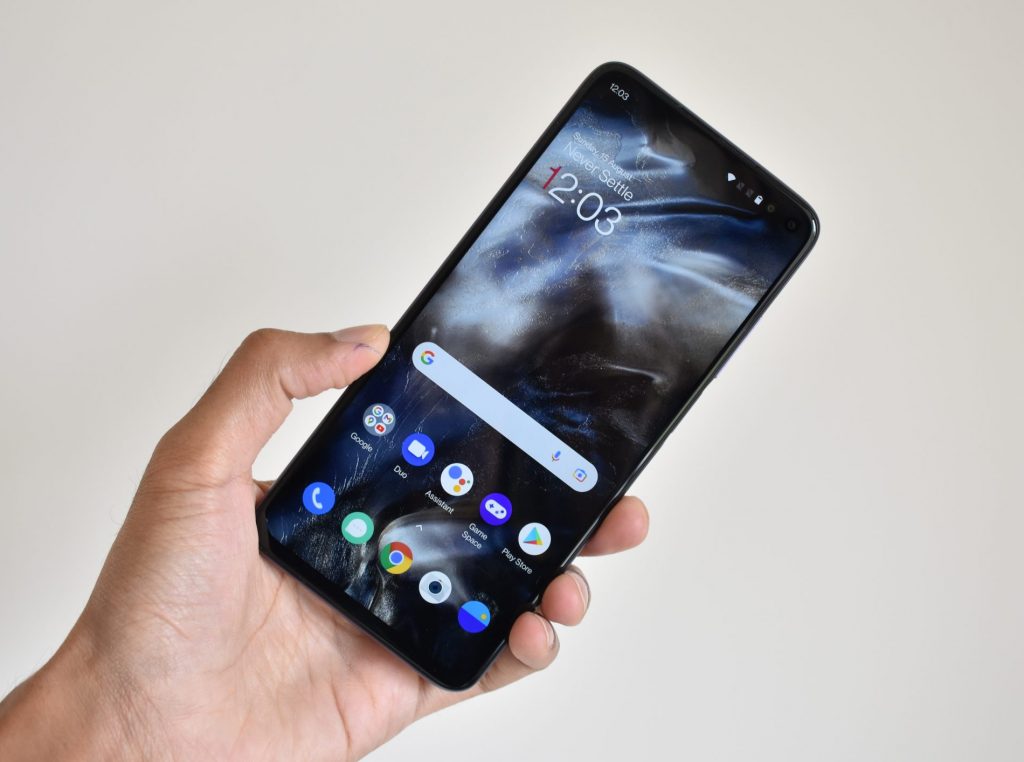
Display: 6.7 inches (3,216 x 1,440-pixel resolution) 120Hz AMOLED | CPU: Qualcomm Snapdragon 8 Gen 1 | RAM: 8GB/12GB LPDDR5 | Internal Storage: 128GB/256GB | Rear cameras: 48MP wide-angle, 50MP ultra-wide angle (150˚), 8MP telephoto (3.3x optical zoom, OIS) | Front camera: 32MP f/2.2 camera | Weight: 200.5g
OnePlus used to be the “flagship killer” brand but has since evolved into higher-priced flagships directly challenging the likes of Samsung and Apple. Compared to Samsung, OnePlus offers an experience that is free from ads and bloatware while also now providing some interesting features such as reverse wireless charging and adaptive 120Hz displays.
The OnePlus 10 Pro is priced in a much more competitive range than last year. At $899, the device is in-line with Google’s flagship, the Pixel 6 Pro, and undercuts Samsung’s S22 Plus and Ultra handsets. Still, OnePlus has managed to cram in specs that go tit for tat with the more expensive rivals.
See the full review: OnePlus 10 Pro review
We’ve hit year two of the brand’s partnership with Swedish camera-maker Hasselblad and the latest update comes in the form of the 50-megapixel ultra-wide lens. With it, you can capture as wide as 150-degrees of imagery, which makes the OnePlus 10 Pro a stellar pick for landscape photography. Additionally, photos and videos look true-to-life thanks to the natural color-tuning by Hasselblad.
One area that OnePlus leads the pack in is the charging capability of its phones. SuperVOOC 65 support and Warp Charge Wireless 50 support are provided in the OnePlus 10 Pro. This means you can charge up your phone from 1% to 100% in just 29 minutes. The wireless charging even achieves this charging performance in 43 minutes, which is faster than wired charging of most other phones. In countries outside of the US, the OnePlus 10 Pro offers a whooping 80W charging speed.
Pros:
- Performance parity with bigger name flagships at reduced prices
- Nearly stock Android build with actually useful tweaks
- Some of the fastest wired and wireless charging speeds around
Cons:
- Storage and RAM configuration is limited to 8GB/128GB in the US
- Hasselblad influence is still limited to software
- Software experience is ever-changing